
The Idea
At some point I noticed something simple but annoying.
Most service-based businesses here — barbers, salons, small clinics — don’t really have a proper reservation system.
It’s mostly:
WhatsApp messages
phone calls
or just showing up and waiting
Which leads to:
double bookings
wasted time
and zero organization
So I thought:
why not build something simple that actually works for this market?
That’s where Bumin started.
The Goal
I didn’t want to build “just another app”.
The goal was:
one platform
multiple types of businesses
flexible scheduling
easy to use (for both customers and owners)
Also important:
it had to actually work for real businesses here, not just look good in a demo
Core Features
Here’s what I focused on:
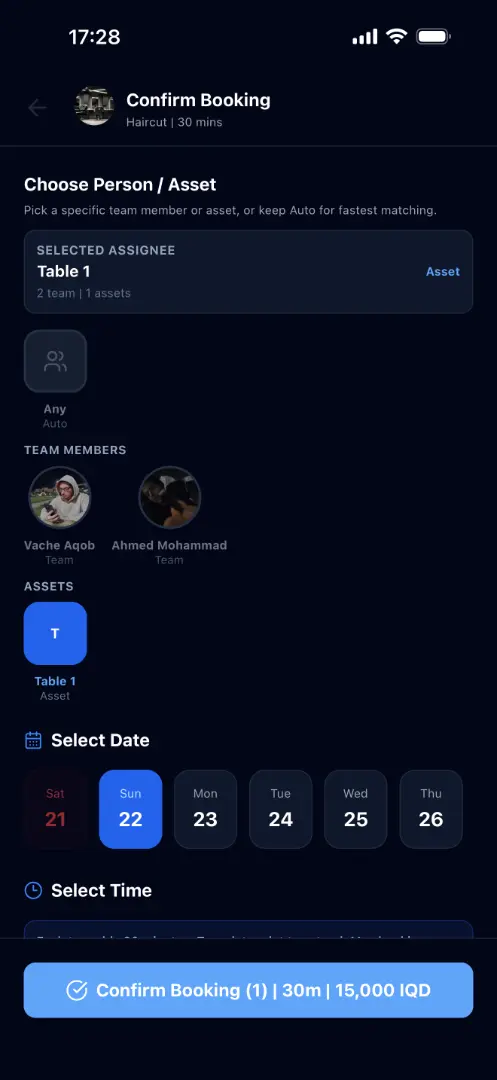
Businesses can create their own profiles
Each business can define services and time slots
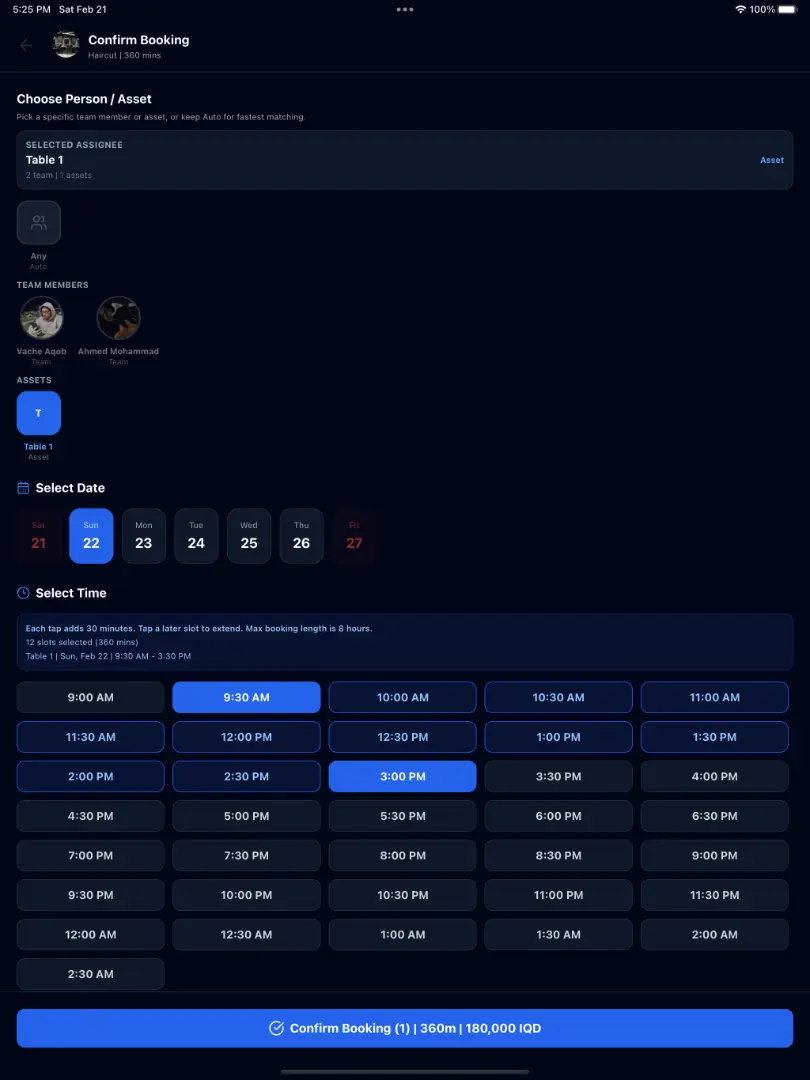
One booking = one reserved slot (no overlaps)
Customers can book directly through the app
Owners can manage availability and appointments
Tech Stack
I kept it modern but practical:
Frontend: Next.js
Backend / DB: Supabase
Auth: Supabase Auth (later adjusted due to issues)
Mobile: React Native (Expo)
Hosting: Vercel
Why this stack?
Because I needed:
fast iteration
easy deployment
and something I could scale later
The Hard Part (What Actually Took Time)
This wasn’t the UI.
It was the logic.
Things like:
Preventing double bookings
Handling time slots properly
Making sure business hours actually work
Managing multiple service providers under one business
At one point I realized:
booking systems look simple, but they’re not
Problems I Ran Into
A few real issues:
Firebase/Auth issues (especially reCAPTCHA headaches)
Managing state between mobile and backend
Structuring the database correctly from the start
Making it flexible enough for different businesses
Also:
building for real users is way harder than building for yourself
What I Learned
This project changed how I think about building products.
Real-world apps are mostly edge cases
Simple UI ≠ simple system
You need to think like a business owner, not just a developer
Deployment and reliability matter more than features
Current Status
Right now:
The system is functional
Businesses can be onboarded
Core booking logic works
Still improving:
UX flow
onboarding experience
performance
What’s Next
Planned improvements:
Better discovery (finding nearby businesses)
Notifications system
Improved admin controls
Scaling it to more cities
Final Thoughts
This wasn’t just a project.
It was:
my first real attempt at solving a local problem
something that could actually be used by real people
and a big step from “building projects” to “building products”
If you’re building something similar:
focus less on features, more on real usage